The environment
Since the COVID-19 pandemic, it’s become clear that there needs to be greater care when addressing concerns with infectious agents within the workplace. Depending on the work environment, harmful biological agents to workers include bacteria, viruses and microscopic fungi. In some cases, parasites can cause serious allergic reactions or carry deadly diseases. Not only is it an employer’s responsibility to raise awareness of workplace hygiene, but also to equip the structure of the building with effective prevention systems that protect employees.
In the workplace, bacteria hotspots can vary but generally include tools/equipment such as keyboards and stationery. Hotspots also include kitchen areas and bathrooms. In cases where individuals are required to gather near each other, such as meeting rooms, it is necessary that cleaning procedures take place regularly and routinely.
However, it is estimated that no more than 20% of total bacteria is reduced by chemical disinfectants. Not only this, but its effects stop within 30 minutes of application. With the average working day being 8 hours, 5 days per week, the workplace is one of the biggest hotspots for harmful biological agents, and a frequent place for catching illness.
The background
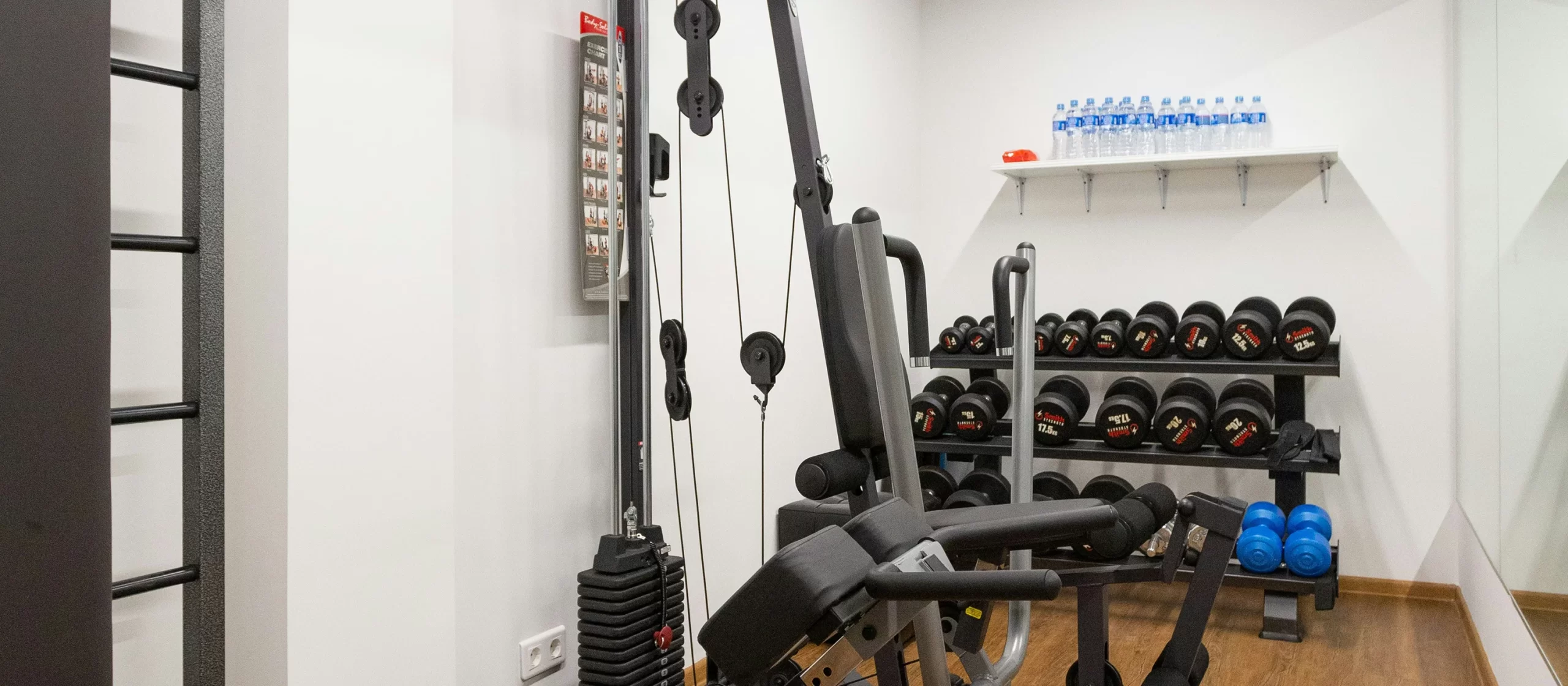
Tests using Our Light Solutions took place within an office building; two meeting rooms, 2 bathrooms, and the gym. The test was designed to measure the growth of bacteria and mould under standard lighting, compared to growth under our T8 150cm tube lights.
The two meeting rooms are located on the first floor of the building. They house numerous workstations, used by operators for meetings both between colleagues and with customers or suppliers. The floor is carpeted, and both have a large window that houses a wooden door. The ventilation system is installed in the ceiling.
The two bathrooms are located on the ground floor of the building. They are in a corridor with no windows or access to the outside.
The floor is covered in non-slip plastic material. The automatic ventilation system is installed in the false ceiling.
The gym is located on the first floor of the building. It has only one entrance door and no access to or from the outside or windows. The floor is covered in non-slip plastic material. The automatic ventilation system is installed in the false ceiling.
The method
Two petri dishes were placed in each of the five rooms to measure total bacteria growth (Tryptone Soy Agar). One petri dish was placed in each of the five rooms measuring the growth of fungi and yeast (SDA). Two days were dedicated to leaving the petri dishes under standard lighting. Two days were then dedicated to leaving the petri dishes under Our Light Solution.
Under standard lighting, the two bacterial petri dishes were placed in separate spots at 9:00 am and replaced with two others at 3:30 pm in the same spots. These were then replaced again at 9:00 am the following day. The petri dishes used to measure fungi and yeast followed the same pattern on the first day of testing, though on the 2nd day, were left for 24 hours before being replaced.
Under Our Light Solutions, the bacterial petri dishes were placed at 10:30 am and replaced at 4:30 pm, which were then replaced at 10:30 am the following day. The fungi and yeast petri dishes were placed at 10:30 am and were left for 24 hours on both days of testing.
The petri dishes were closed and collected at the end of the test time and brought to the laboratory in a refrigerated bag to maintain the correct temperature.
The results
Controlled testing across five separate environments demonstrated a substantial decrease in both bacterial and fungal growth under sanitising lighting conditions.
Across all rooms, bacterial counts were significantly lower than those recorded under standard lighting, while fungal presence was reduced to minimal or zero levels in most cases. This validates the effectiveness of the technology in supporting continuous environmental hygiene.
The findings
Under standard lighting, the bacterial and fungal / yeast count was very high and then continued to grow. Under Our Lighting Solutions, the count was always very low and did not present phases of uncontrolled growth. The results observed were obtained in real-life conditions, with real office rooms, gyms and bathrooms, real microbes and yeast. In addition, Our Light Solutions brought the general microbial load down much lower than when chemical disinfectants were used. But, above all, it was verified that the total microbial load remained low for the entire duration. They worked to reduce it by more than 90% and guaranteed visitors a shallow infectious risk.
This project was carried out by Biovitae. We are the only UK approved supplier of Biovitae Sanitising Lights.